
 Jane
Jane
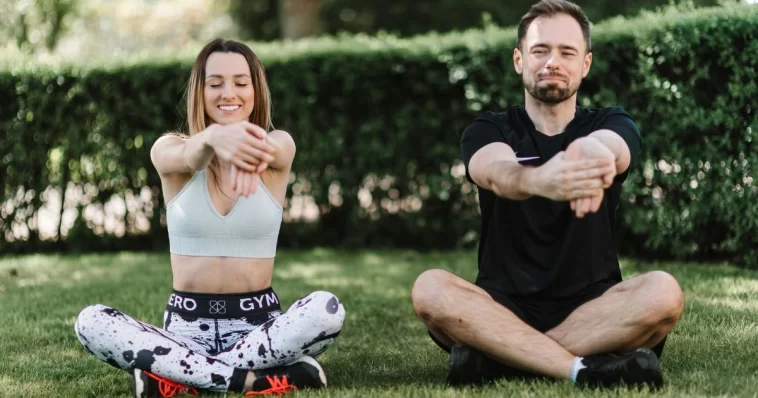
Morning workouts continue to earn praise for shaping more than just fitness. They offer a foundation for energy, focus, and long‑term health that carries through the day. Exercising early boosts circulation, floods the body and brain with oxygen, and triggers the release of endorphins and other mood‑lifting neurochemicals.
A consistent morning routine also aligns with the body’s circadian rhythm. Early movement helps regulate sleep and wake cycles, leading to better sleep at night and higher alertness the next day.
Finally, morning workouts are easier to build into a daily habit. Before emails, errands, or unexpected tasks start piling up, a short workout is more likely to happen. This consistency builds discipline, a trait that tends to spill over into nutrition, work focus, and overall lifestyle.
Given those advantages, here are 15 of the best morning exercise routines in 2025, each described in detail with why it works and tips to get started.
15 Best Morning Exercise Routines to Boost Energy
1. Sun Salutation (Yoga Flow)
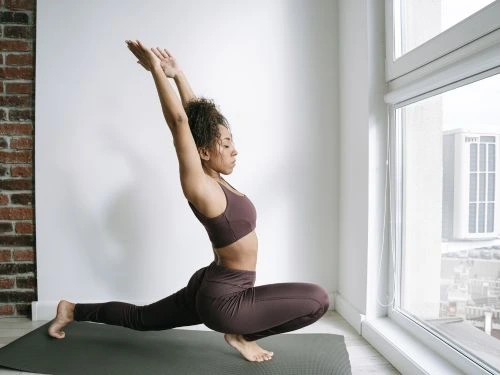
A gentle but powerful way to wake up the body, the Sun Salutation (also known as Surya Namaskar) is a classic yoga sequence that links breath to movement. It usually combines a series of poses, including an upward stretch, forward fold, plank, cobra (or upward-facing dog), and downward-facing dog, then returns to standing.
Doing a few rounds in the morning helps stretch muscles, joints, and ligaments that stiffen overnight, improves flexibility and mobility, and gently boosts circulation. The flow also helps calm the mind, reduce stress, and create mental focus before the day starts.
Many find that just 5–10 minutes of Sun Salutation, barefoot on a yoga mat, is enough to unlock a sense of wakefulness and readiness. For those who prefer low-impact starts or want a peaceful way to begin the day, this is ideal.
2. Brisk Walking or Light Jogging (Outdoor or Treadmill)
Brisk walking or light jogging remains an easy, accessible, and highly effective way to energize the morning. Just 20–30 minutes gets the heart rate up, increases oxygen circulation, and releases endorphins that improve mood.
Morning is often cooler and quieter, making it a comfortable time to move, especially in warmer climates. Early walks or jogs also help avoid midday heat if exercising outdoors.
Beyond the physical perks, starting the day with movement primes the brain for focus and productivity. Many people notice improved alertness and mental clarity after a morning walk or run, which can carry through work or daily tasks.
3. Bodyweight Strength Circuit
Bodyweight exercises are a great way to build strength without needing a gym. A simple morning circuit might include squats, lunges, push-ups, planks, and glute bridges, all of which engage major muscle groups and core stability.
Doing 2–3 sets of moderate reps makes it feasible even for busy mornings. For example: 15 squats, 10–15 push-ups, 20 lunges (10 per leg), and a 45–60-second plank provide a balanced full-body activation.
This approach helps build muscle tone, improve posture, and support long-term metabolic health. Because it can be done at home without equipment, it is also easy to stick with, a big plus for consistency.
4. Quick HIIT (High-Intensity Interval Training)
For those short on time but seeking a maximum energy boost, a HIIT routine is worth a shot. HIIT blends short bursts of high-intensity movement (like burpees, high knees, mountain climbers) with brief rest intervals. Even a 10–15-minute HIIT session can raise heart rate, stimulate fat burning, and increase oxygen flow, setting the tone for an energetic day.
Because it revs up metabolism and maintains elevated oxygen consumption through the afterburn effect (EPOC), it may help burn calories even while at rest later on.
A sample HIIT block: 30 seconds jumping jacks, 30 seconds rest; 30 seconds squat jumps, 30 seconds rest; 30 seconds mountain climbers, 30 seconds rest. Repeat 3–4 rounds, followed by a short cool-down stretch.
5. Dynamic Stretching & Mobility Flow
Sometimes the best wake-up call is gentle movement that loosens stiff joints and awakens circulation. Dynamic stretching, including arm circles, leg swings, torso twists, and hip openers, prepares the body for the day and reduces the risk of injury.
Spending 5–10 minutes on dynamic mobility helps improve range of motion, posture, and balance. It also signals the nervous system that it is time to move, which can sharpen mental focus and set a calm but alert tone.
For those who wake up feeling stiff or sluggish, mobility flows are a gentle yet effective way to ease into daily activity.
6. Jump Rope or Skipping — Quick Cardiovascular Spike
Jump rope (or indoor skipping) is a high-output yet simple cardio move that wakes up the whole body quickly. Just a few minutes raises heart rate, increases blood flow, and improves coordination, cardiovascular endurance, and stamina.
Because it’s compact and doesn’t take up much space, a jump rope is a practical option for small apartments or quick morning bursts. It also adds a playful element to exercise, a nice mood booster for the start of the day.
An effective beginner-friendly session could be: 1–2 minutes of skipping, followed by a 30-second rest, repeated 4–6 times, then a short stretch to cool down.
7. Pilates or Core-Focused Flow
Focusing on core strength, breathing, and postural alignment, a short Pilates or core flow can activate deep stabilizing muscles while calming the mind. Moves like pelvic tilts, dead bugs, side planks, and gentle twists work well in the morning.
A 15-minute core session helps improve posture, spinal alignment, and balance, especially beneficial for people who spend long hours sitting. It also supports lower back health and primes the body for daily movement.
Because Pilates emphasizes mindful breathing and controlled movement, it doubles as a gentle stress-relieving ritual, helping to set a grounded, focused tone before the day’s demands.
8. Morning Walk With Sunlight Exposure (Outdoor or Balcony)
Combining movement with nature, a gentle morning walk outdoors offers powerful benefits. Exposure to morning sunlight helps reset the circadian rhythm, improving sleep quality and hormonal regulation.
Walking outdoors gives fresh air, supports cardiovascular health, and gently wakes up the muscles and joints. For those who prefer low-impact movement or mild activity post‑sleep, this is an ideal option.
Even 15–20 minutes of walking, perhaps with a light walk with the dog or a stroll around the block, can do wonders for energy, mood, and mental clarity without exhausting the body.

9. Mixed Mobility + Strength Mini Routine (10–15 Minutes)
For days when time is tight, a mixed mini routine merges mobility, light cardio, and strength into a compact session. For example: 3 minutes of arm and leg mobility drills; 5 minutes of bodyweight squats and lunges; 3 minutes of push-ups; 2 minutes of plank variations; finishing with light stretching or deep breathing.
This hybrid routine provides a balanced wake-up: muscles loosen up, blood circulates, posture activates, and energy flows.
Because it is short and varied, this routine suits busy schedules, travel days, or times when motivation is low, making consistency achievable.
10. Sun Salutation + Gentle Core Pilates Flow (Hybrid Mind‑Body Start)
For a balanced start that values both calm and activation, combine yoga and core work: 3 rounds of Sun Salutation to stretch and warm up, followed by 10 minutes of core-focused Pilates or gentle floor work.
This hybrid approach offers flexibility and strength benefits along with breath and body awareness. It nurtures mobility, spinal health, and mental clarity simultaneously.
For those who value a peaceful but purposeful morning routine, this flow sets a tone of centered energy, calm confidence, and physical readiness.
11. Dynamic Warm-Up + Light Cardio + Stretch Cool Down (15–20 Minute Routine)
A simple yet effective sequence: start with 5 minutes of dynamic warm-up (arm circles, leg swings, torso twists), followed by 10 minutes of light cardio (walking, jogging in place, jumping jacks), and conclude with 5 minutes of full-body stretching.
This routine wakes up the heart and lungs, loosens up joints, and promotes flexibility, all in under 20 minutes. For many, this is a sweet spot that balances energy boost with gentle preparation for the day.
Its simplicity and minimal time requirement make it ideal for daily repetition, even on busy mornings or before work.
12. Bodyweight Strength + Core Circuit (20–25 Minutes)
This routine elevates a basic strength flow into a more complete workout. Include squats, push-ups, lunges, planks, glute bridges, and a set of calf raises. Complete 2 to 3 rounds based on your fitness level.
This circuit strengthens major muscle groups, improves joint stability, and supports metabolic health. Because it uses bodyweight only, it remains accessible even without gym equipment.
For people wanting both an energy boost and strength-building, this kind of morning circuit delivers benefits across cardiovascular health, posture, core strength, and overall stamina.
13. Morning Dance Or Movement Flow (Dance, Zumba, Free Movement)
Movement routines set to music, such as dance, Zumba, or freestyle movement, can transform a mundane morning into a mood-lifting start. Dance gets the heart pumping, mobilizes the entire body, and floods the brain with endorphins.
Because it is fun and expressive, dance-based flows reduce resistance to waking up and exercising. For many, the association of music and movement creates a ritual that feels less like a chore and more like a celebration.
Even 15 minutes of dancing at home can set a cheerful, energized tone before breakfast, coffee, or commuting.
14. Light Stretching + Deep Breathing + Mindfulness Cooldown
For an especially calm, gentle start, after a poor night’s sleep or a long day before, a light stretch and breathwork session can be restorative. Focus on full-body stretching (neck, shoulders, back, hips), followed by deep breathing or a short mindfulness or meditation exercise.
This routine helps relieve tension, improve posture, calm the nervous system, and center the mind. For many, this is a subtle way to begin the day with clarity and calm energy rather than jolting awake.
It pairs well with slow mornings, recovery days, or rest days when heavy workouts may not feel appropriate.

15. The “5-5-5-30” Minimalist Routine (Push-Ups, Squats, Lunges, Plank)
A rising trend in 2025 is the simple yet effective “5‑5‑5‑30” routine, popularized as a quick movement primer to beat morning grogginess. It involves 5 push-ups, 5 squats, 5 lunges per leg, and a 30‑second plank, all done first thing in the morning.
Because it is minimalist and takes maybe 3–5 minutes, this routine is perfect for days when time is limited, motivation is low, or as a daily consistency anchor. Despite its brevity, it activates major muscle groups, improves posture, and triggers the cascade of energy signals your body needs to wake up.
For beginners, busy professionals, or anyone wanting a reliable, no-excuses ritual, this routine offers a practical path to consistency and energy.
The Long-Term Value Of A Morning Fitness Habit
Morning exercise in 2025 is more than a fitness habit. It is a lifestyle lever that influences energy, mood, focus, sleep quality, and long-term health. With so many routines, from quick 5-minute flows to full-body circuits, there is flexibility to fit movement into busy lives, whether during weekday mornings, travel, or downtime.
What matters most is starting gently and sustainably, listening to the body, and building consistency. Over time, a morning workout becomes less of a chore and more of a ritual, a reliable anchor that sets the tone for a productive, energized, and balanced day.