
 Jane
Jane

Staying active and fit can feel almost impossible when work, family responsibilities, errands, and daily life consume most of your time. Many people put fitness last on their to‑do list and then wonder why they feel tired, stressed, or out of shape. The truth is that staying physically active does not require hours at the gym or an empty calendar. With smart planning, practical habits, and the right tools, anyone can maintain movement and health even with a hectic schedule. This article shares practical fitness tips and actionable strategies, backed by health expertise and well-tested routines, to help individuals stay active and make exercise a natural part of daily life.
Modern lifestyles demand energy, focus, and endurance. Strong physical fitness supports mental clarity, emotional balance, and long‑term well-being. By understanding how movement fits into a busy routine, people can protect their health while staying productive and energized.
Why Staying Active Matters With A Busy Schedule
Physical activity supports overall health, lowers the likelihood of chronic illnesses, enhances mood, and increases energy. A busy life often means sitting more, stress rising, and movement dropping. Small shifts in habits can counterbalance these effects and lead to lasting benefits.
Movement affects every system in the body. When muscles contract, the heart beats faster, circulation improves, and the brain receives more blood flow. That combination improves focus and helps the body process stress more efficiently. While a long workout is beneficial, research shows that even brief activity throughout the day, known as movement snacks, can greatly improve functional mobility and physical well-being. These short bursts of motion help break up long periods of sitting and keep the body engaged without disrupting a demanding schedule.
Health professionals emphasize that consistency matters more than duration. Even small changes that are repeated daily can strengthen the heart, improve flexibility, and help manage weight. People with constrained schedules are more likely to stick with fitness habits if those habits integrate cleanly into daily life.
13 Smart Fitness Tips for Busy Professionals
1. Set Realistic Fitness Goals
The first step in staying active is setting achievable goals. Rather than focusing on ambitious targets like daily hour‑long workouts, break fitness into manageable pieces. Setting goals that align with individual lifestyles, energy levels, and existing commitments makes them easier to follow and sustain.
Examples of goal ideas include:
- Aiming for at least 150 minutes of moderate activity per week, as recommended by many health organizations.
- Setting daily step goals that can easily be reached through walking and daily chores.
- Identifying physical activities that feel enjoyable rather than burdensome.
Goal setting also encourages measurable progress. Instead of vague aspirations such as becoming fit, specific targets like “walk 7,500 steps per day” or “complete two strength sessions per week” give clear direction. Goals should fit around life and not replace essential activities like sleep, work, or self‑care.
If mornings are unpredictable, schedule movement breaks during lunch or after work. Flexibility helps maintain consistency even when daily demands change. People who adjust expectations based on real‑life commitments experience less frustration and greater long‑term success.
2. Incorporate Short Workouts Throughout The Day
Short workouts are one of the most effective ways to stay active when time is limited. These mini‑sessions add up, and health experts emphasize that even a few minutes of activity multiple times per day improves health outcomes. Small bursts of activity can be easily inserted into breaks or transitions throughout the day.
Examples of short workouts include:
- Bodyweight exercises like squats, lunges, push‑ups, planks, or jumping jacks.
- A brisk walk around the block before starting work or after meals.
- Stretching or light mobility exercises during breaks.
- Alternating sets of calf raises and wall sits in short intervals.
These mini‑sessions, often labeled as exercise snacks, can be as short as two to 10 minutes. When done consistently, they raise heart rate, support muscle strength, and help maintain energy levels throughout the day. Accumulating these movements can replace long workouts that feel intimidating or unrealistic for busy individuals.
3. Turn Daily Tasks Into Physical Activity
One of the easiest ways to be more active is to integrate movement into everyday activities. When habits become second nature, fitness becomes part of life rather than a separate task.
Here are ways to transform daily routines into physical activity:
- Choosing stairs over elevators whenever possible.
- Opting for walking or cycling rather than using a car for nearby errands.
- Parking vehicles farther from entrances to increase walking distance.
- Taking standing breaks every hour at work, including simple desk stretches.
- Carrying groceries instead of making multiple short trips.
These simple changes increase daily movement without requiring extra time set aside for workouts. Intentional choices, such as doing calf raises while brushing teeth or walking during phone calls, can boost activity throughout the day. Over time, these small efforts contribute to overall fitness improvements.
4. Use Technology To Stay Motivated
Fitness apps, wearable tech, and smart home equipment can provide structure and motivation. Tools that track movement, steps, heart rate, or workouts help keep goals visible and measurable. Seeing progress in real time encourages users to stay accountable and adjust routines based on data.
Popular fitness technology includes:
- Smart rings that track activity, sleep, and recovery, offering insights that help users plan movement efficiently.
- Smart fitness mirrors that stream live and on‑demand workouts, guiding users through structured exercise sessions at home.
- Fitness apps that provide quick workout routines for all fitness levels and offer daily reminders.
Using technology helps people visualize progress. Tracking steps or workouts adds clarity to fitness goals and can spark motivation on busy days. Alerts and reminders encourage users to move during inactivity periods, improving long‑term engagement.
5. Schedule Fitness Like An Appointment
If it isn’t on the calendar, it probably won’t happen. Treat workouts like important appointments by blocking time on the schedule specifically for activity. This process, often used by professionals, helps maintain consistency and protect fitness time.
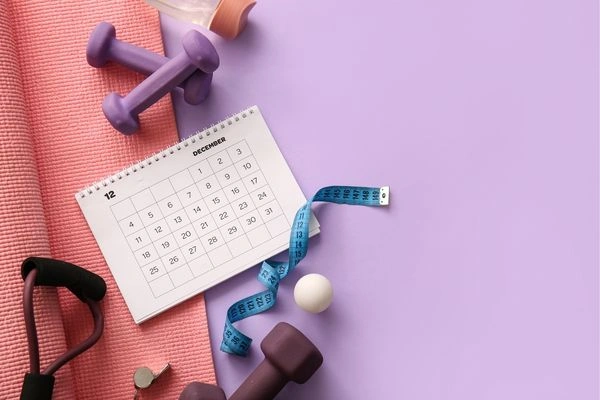
Ideal time slots for scheduling exercise include:
- Early mornings before work, when interruptions are less likely.
- Lunch breaks for short movement sessions that boost midday energy.
- Evenings dedicated to walks, stretching routines, or relaxation routines.
Calendar‑blocking enforces commitment and ensures that fitness gets the priority it needs. When unforeseen events arise, shifting a scheduled workout to another time on the same day maintains consistency. Writing workouts into planners or digital calendars increases accountability and minimizes the risk of skipping activity altogether.
6. Involve Family And Social Networks
Staying active does not have to be a solo effort. Including family or friends can make movement more enjoyable, consistent, and sustainable. Social connection often enhances commitment and helps people hold one another accountable.
Ideas for group physical activities include:
- Planning weekend walks, bike rides, or outdoor games as family activities.
- Meeting friends for active outings such as hiking, dancing, or group exercise classes.
- Choosing active social meetups rather than sedentary gatherings.
This approach helps balance social life with health goals and makes activity feel less like an obligation and more like quality time. Children involved in family fitness may develop positive associations with movement, promoting long‑term healthy habits.
7. Make Use Of At‑Home Fitness Tools
Home fitness equipment can be a lifesaver when gym visits are not feasible. These tools allow for quick workouts at home without travel time, fitting fitness into tight schedules.
Useful tools for at‑home workouts include:
- Adjustable weight benches and dumbbells that support strength training in a limited space.
- Compact rowing machines that provide full‑body workouts in short sessions.
- Under‑desk treadmills that allow light walking while working or taking calls.
Choosing devices that fit space, budget, and personal preferences enables flexibility and consistency. Home equipment removes barriers such as commute time or gym scheduling conflicts, making fitness a practical part of daily life.
8. Try High‑Intensity Interval Training (HIIT)
High‑Intensity Interval Training combines brief periods of intense exercise with short breaks. These workouts deliver substantial benefits in less time than traditional steady‑state cardio. Typical HIIT sessions range from 10 to 25 minutes and require minimal or no equipment.
Benefits of HIIT include:
- Improved cardiovascular health.
- Greater calorie burn in shorter periods.
- Enhanced endurance and metabolic rate.
Adding HIIT routines to weekly schedules helps individuals maximize results with limited time. These efficient sessions are ideal for busy people who want powerful workouts without long commitments.
9. Boost Non‑Exercise Physical Activity
Non‑exercise physical activity thermogenesis (NEAT) includes all movement outside of planned workouts. Increasing NEAT can be more impactful than scheduled workouts alone, especially for people with limited time.
Examples of NEAT activities are:
- Walking or gently moving while talking on the phone.
- Taking longer routes through buildings or parks.
- Standing or pacing while waiting or in line.
- Choosing active chores like gardening or brisk cleaning.
Maximizing everyday movements boosts daily energy expenditure and supports long‑term health without extra workout time. People who actively seek small movements throughout the day often experience improved mood and sustained energy.
10. Prioritize Rest And Recovery
Fitness is not just about movement. Adequate rest and sleep are essential to maximize the benefits of physical activity. Hectic schedules often cut into sleep, causing fatigue, low motivation, and decreased physical performance. Adequate rest aids muscle recovery, strengthens the immune system, and sharpens mental focus.
Recommended rest strategies include:
- Prioritizing seven to eight hours of consistent, good-quality sleep per night.
- Creating a relaxing evening routine, such as light stretching or breathing exercises.
- Napping briefly when needed to restore energy during particularly intense days.
Rest and recovery make movement more enjoyable and sustainable. Those who prioritize sleep find physical activity less draining and more rewarding.
11. Nutrition And Hydration Matter
Staying active also depends on proper fuel. Nutritious meals and adequate hydration support energy levels, muscle recovery, and mental focus. Busy individuals often skip meals or choose convenience foods that lack nutrients, which can undermine fitness efforts.
Strategies to support nutrition include:
- Preparing meals in advance or using balanced meal delivery services that focus on whole foods.
- Keeping healthy snacks accessible to avoid reaching for sugary or processed options.
- Drinking enough water throughout the day to maintain hydration and support metabolic function.
Proper nutrition amplifies the benefits of physical activity. Those who eat well and hydrate consistently tend to feel more energized, focused, and motivated to keep moving.
12. Track Progress And Celebrate Wins
Tracking fitness progress helps people stay motivated and aware of improvements. Monitoring steps, workouts, energy levels, or habits reveals patterns and inspires confidence.
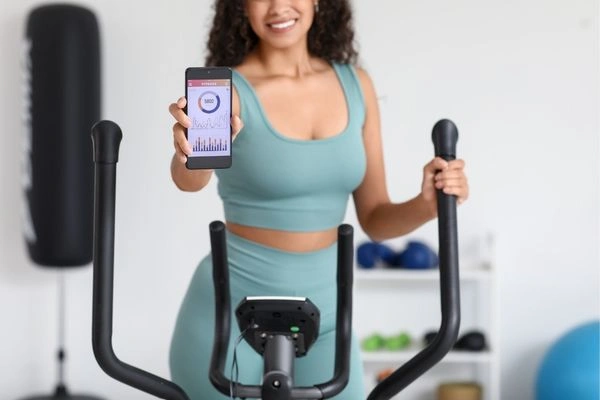
Methods to track progress include:
- Journaling workouts or activity levels.
- Using fitness apps that provide weekly summaries.
- Checking wearable tech dashboards for trends in movement or sleep.
Celebrating milestones, even small achievements like completing a week of activity goals or increasing step counts, reinforces positive habits. Consistency ultimately matters more than intensity. Incremental progress compounds into significant improvements over time.
13. Stay Flexible And Avoid Perfection
Life is unpredictable. Some days will be more hectic than others. On busier days, aim for shorter sessions and accept that something is better than nothing. By focusing on consistency rather than perfection, staying active becomes a sustainable part of life rather than a temporary challenge.
Flexibility encourages resilience. If a planned workout cannot happen, moving in a different way or at another time keeps progress alive. This mindset reduces pressure and supports long‑term adherence to fitness goals.
Making Fitness Work in a Busy Life
Balancing fitness with a busy schedule is entirely achievable with thoughtful planning, simple lifestyle changes, and the right tools. By incorporating short movement breaks, integrating activity into daily routines, using modern workout technology, and prioritizing rest, nutrition, and flexibility, staying active becomes both realistic and enjoyable. The key is consistency and adaptability. Active living does not require hours at the gym or unrealistic commitments. It requires dedication to finding movement every day, no matter how busy life becomes.