
 Jane
Jane

Starting a fitness routine can feel overwhelming with so many workout styles available. Beginner calisthenics moves have gained attention in current fitness discussions as an effective approach for building strength using body weight instead of equipment. It offers a simple, flexible, and practical solution for improving fitness at home, outdoors, or while traveling.
A well-structured beginner calisthenics exercise list allows individuals to build a strong foundation without a gym membership. From basic movements like squats and push-ups to more advanced progressions, calisthenics provides a clear path for improvement. Consistent bodyweight training enhances mobility, balance, and overall strength naturally and sustainably.
This guide presents a complete list of calisthenics exercises ranked by difficulty. The list is designed to help beginners progress safely while understanding how each movement strengthens different muscle groups. Whether starting from scratch or returning after a break, this structure ensures steady improvement and better performance.
What Is Calisthenics And Why It Works
Calisthenics is a form of strength training that uses the body’s weight as resistance. Instead of relying on machines or free weights, movements like pushing, pulling, and squatting engage multiple muscle groups simultaneously. This approach develops functional strength that translates to daily activities.
Current fitness insights emphasize that calisthenics improves coordination, flexibility, and endurance concurrently. Unlike isolated machine exercises, bodyweight movements mimic natural patterns, enhancing overall movement quality. This leads to stronger posture, better mobility, and improved efficiency in everyday tasks such as lifting, walking, or climbing stairs.
Another major advantage of calisthenics is accessibility. No expensive equipment or gym membership is required. A routine built on all calisthenics exercises can be performed at home, in a park, or in small spaces, making it easier to maintain consistency. This convenience is key to achieving lasting fitness results.
Benefits Of Beginner Calisthenics
A consistent beginner calisthenics routine provides several advantages:
- Builds strength using natural body movements
- Improves flexibility and joint mobility
- Enhances balance and coordination
- Supports core stability and posture
- Requires minimal or no equipment
- Fits easily into busy schedules
These benefits make calisthenics a practical fitness approach for beginners. It allows gradual progress, reduces the risk of injury, and supports long-term health.
How This List Is Ranked
The following list of calisthenics exercises is organized from easiest to most challenging movements. Ranking is based on:
- Required strength level
- Balance and coordination demands
- Complexity of movement
- Control and endurance requirements
Starting with simpler exercises helps build confidence and reduces injury risk. As strength and control improve, progression to more challenging exercises becomes safer and more effective.
20 Best Beginner Calisthenics Moves Ranked By Difficulty
Level 1: Very Easy
These exercises are ideal for complete beginners.
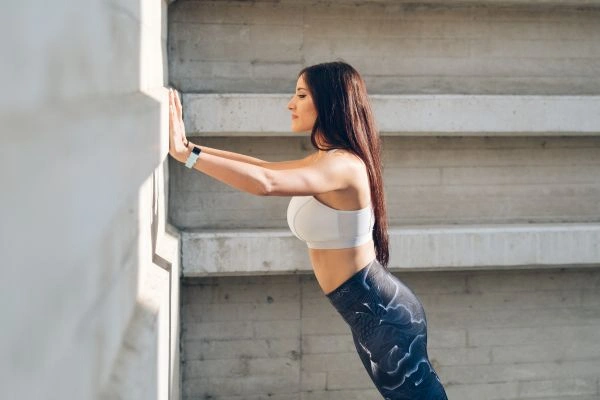
1. Wall Push-Ups
Wall push-ups provide an entry point for upper-body strength development. Pushing against a wall reduces resistance, allowing safe practice of proper form. This movement engages the chest, shoulders, and triceps without straining the wrists. It also builds confidence for transitioning to floor push-ups.
2. Incline Push-Ups
Performed using a bench, table, or sturdy surface, incline push-ups decrease load while targeting the chest and arms effectively. They reinforce proper hand positioning and body alignment. This exercise is gentle on the shoulders while delivering meaningful strength gains.
3. Bodyweight Squats
Squats strengthen the legs, hips, and glutes while enhancing mobility. Core engagement during the movement supports proper posture. Squats also improve functional strength for daily activities such as lifting and bending. Modifying depth and pace allows beginners to progress safely.
4. Standing Knee Raises
This exercise activates the core and improves balance. It also serves as an effective warm-up. Standing knee raises strengthen hip flexors and coordination. They can be performed in place or while walking to increase stability.
Level 2: Easy
These exercises introduce more control and slightly higher intensity.
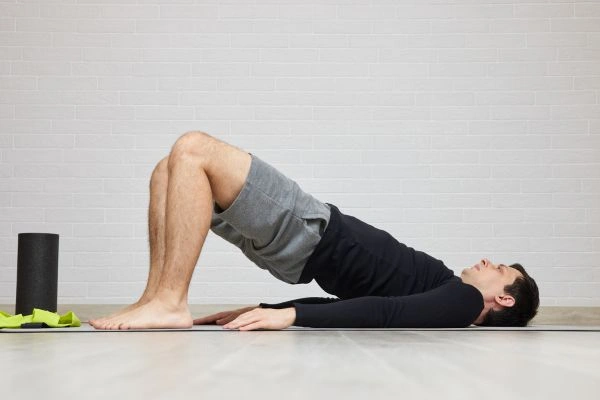
5. Glute Bridges
Glute bridges target the hips and lower back. They support better posture and reduce lower back discomfort. This exercise also activates underused glute muscles. Holding the top position increases strength and stability.
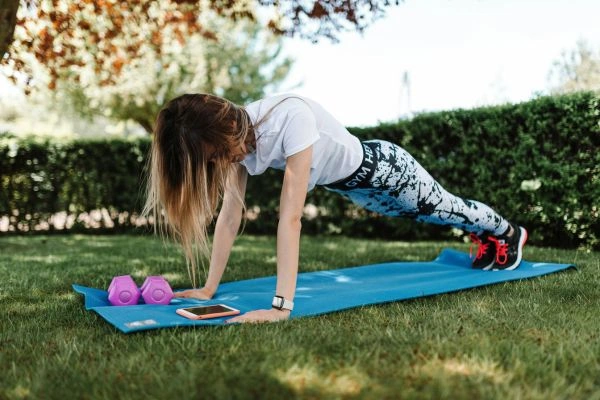
6. Plank Hold
The plank builds core stability and endurance. Maintaining correct form is more important than duration. Planks strengthen deep core muscles, including the transverse abdominis, and enhance posture. Knee modifications are available for beginners.
7. Step-Ups
Step-ups strengthen legs while improving coordination. They mimic everyday movements such as climbing stairs. Step-ups engage the quads, glutes, and hamstrings while developing unilateral strength. Adding arm movement further challenges balance and coordination.
8. Assisted Lunges
Lunges strengthen the legs and improve balance. Using support helps maintain proper alignment and reduces injury risk. Forward, backward, or lateral variations provide a comprehensive lower-body workout.
Best Calisthenics Exercises For Beginners
These exercises form the foundation of most routines and support full-body strength development.
Push-Ups
Push-ups target the chest, shoulders, and triceps while engaging the core. Knee or incline modifications allow progression. Regular practice improves overall upper-body strength and posture.
Squats
Squats develop lower-body strength and flexibility. They also enhance mobility in the hips and ankles. Functional strength gained from squats supports daily movements and athletic performance.
Planks
Planks stabilize the core and improve posture. Multiple muscles, including the shoulders and glutes, are engaged. Side plank or knee plank variations allow gradual progression.
Lunges
Lunges improve coordination and strengthen the legs individually. They enhance balance and flexibility, preventing asymmetry. Adding twists or arm movements increases core activation.
Glute Bridges
Glute bridges improve hip strength and lower-back support. They also engage hamstrings and stabilizing muscles. Slow, controlled execution maximizes benefits.
Level 3: Moderate
These exercises require more strength and control.
9. Standard Push-Ups
A key milestone in beginner calisthenics. Strengthens chest, shoulders, and triceps while teaching core stability. Proper body alignment ensures effectiveness and reduces injury risk.

10. Walking Lunges
Dynamic lunges challenge coordination and increase intensity. They develop unilateral leg strength and core stability. Controlled movement is essential to protect the knees.
11. Side Plank
Targets obliques and improves lateral stability. Strengthens shoulders, hips, and core stabilizers. Endurance develops gradually, with modifications like bent knees for beginners.
12. Superman Hold
Builds strength in the lower back, glutes, hamstrings, and shoulders. Enhances posture and spinal support. Alternating limbs reduces difficulty while maintaining benefit.
Level 4: Intermediate
Exercises at this level demand more strength and coordination.
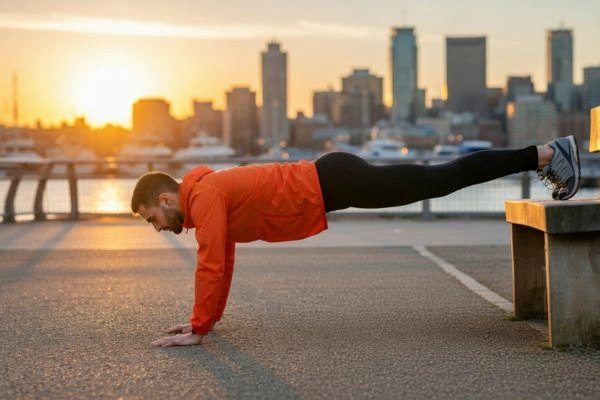
13. Decline Push-Ups
Feet elevated to increase load, focusing on upper chest and shoulders. Core stabilization is required throughout. Prepares for more advanced upper-body exercises.
14. Bulgarian Split Squats
Single-leg exercise improves balance and strengthens legs. Engages glutes and core while correcting strength imbalances. Support can be used for stability if needed.
15. Mountain Climbers
Combines core strength with cardio. Improves agility, coordination, and heart rate. Slow pacing helps beginners maintain proper form and reduce injury risk.
16. Leg Raises
Targets lower abdominals and hip flexors. Keeps spine stabilized and strengthens core control. Bending knees slightly makes the exercise more accessible for beginners.
Level 5: Advanced Beginner
Exercises prepare for higher-level calisthenics.
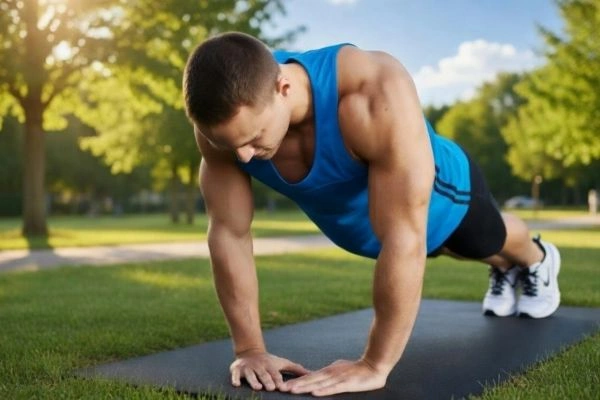
17. Diamond Push-Ups
Targets the triceps while also working the chest and shoulders. Builds strength for future handstand or planche progressions. Proper hand placement prevents wrist strain.
18. Jump Squats
Develops explosive power and lower-body strength. Engages core while improving coordination and athleticism. Soft landings protect knees.
19. Plank Shoulder Taps
Challenges stability by adding motion to a static plank. Strengthens core, shoulders, and arms while enhancing coordination. Hip control is key to preventing twisting.
20. Pike Push-Ups
Prepares for handstand push-ups while targeting shoulders and upper body. Strengthens triceps and chest. Angle adjustments allow gradual difficulty progression.
How To Build A Beginner Calisthenics Routine
A balanced weekly routine should include exercises for the upper body, lower body, and core:
- Day 1: Upper-body exercises
- Day 2: Lower-body exercises
- Day 3: Rest or light activity
- Day 4: Full-body workout
- Day 5: Core-focused training
Three to four sessions per week provide sufficient volume for progress while allowing recovery.
Beginner Calisthenics Moves List For Weekly Training
A practical weekly routine may include:
- Push-ups
- Squats
- Planks
- Lunges
- Glute bridges
- Step-ups
- Leg raises
Performing 2–3 sets of each exercise with controlled repetitions is recommended. Gradually increasing volume ensures consistent strength gains.
Common Mistakes To Avoid
Common beginner mistakes include:
- Skipping warm-ups
- Using poor form
- Attempting advanced movements too soon
- Insufficient recovery
Proper technique and gradual progression reduce injury risk and improve results.
Tips For Faster Progress
Consistency and control are essential. Recommended practices include:
- Gradually increasing repetitions
- Maintaining controlled movements
- Following a balanced routine
- Tracking progress
Incremental improvements accumulate into measurable strength gains.
Nutrition And Recovery Basics
Strength training requires proper nutrition, hydration, and sleep:
- Include protein, healthy fats, and carbs for a well-rounded diet.
- Adequate water intake
- Seven to eight hours of sleep for recovery
Adequate recovery boosts performance and promotes lasting fitness gains.
Why Calisthenics Continues To Grow In Popularity
Calisthenics is accessible, effective, and adaptable to busy lifestyles. It emphasizes functional strength, movement quality, and sustainability rather than only appearance. Fitness communities continue to highlight its benefits for long-term health.
Build Strength With Simple Routines
Strength building does not require complicated routines or expensive equipment. A structured beginner calisthenics exercise list provides a safe and effective framework for progress. Each exercise develops strength, balance, and endurance. Over time, exercises can be combined into advanced routines for continued improvement. Consistency, patience, and proper technique lead to lasting fitness results and a healthier lifestyle.