
 Jane
Jane
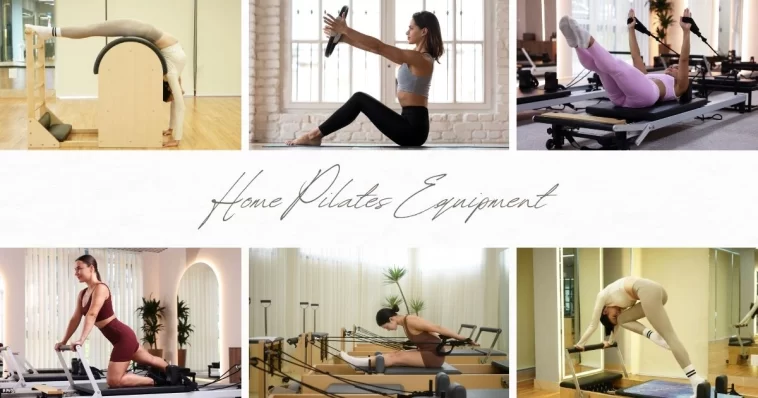
Pilates has become one of the most popular ways to build strength, improve flexibility, and feel healthier without stepping into a gym or studio. Whether you are just curious or serious about adding this form of movement to your fitness routine, home pilates equipment can be a great place to begin. The right tools make it easier to practice consistently, stay motivated, and see real progress over time.
This guide covers everything from what beginners should start with to the best tools available right now based on the latest verified reviews and expert recommendations. It also explores how to make your home workouts effective, safe, and comfortable while helping beginners understand what to expect as they move forward.
Why Home Pilates Equipment Is Worth Considering
Home pilates equipment offers simple ways to bring professional-level movement into your living space without high monthly fees for studio classes. For many people, the idea of practicing pilates at home is about joy, convenience, and consistency. Traditional reformer classes can cost over $200 per month, but home solutions are now widely accessible and affordable. At home, pilates equipment helps remove barriers like travel time, childcare needs, and busy schedules that often derail fitness routines.
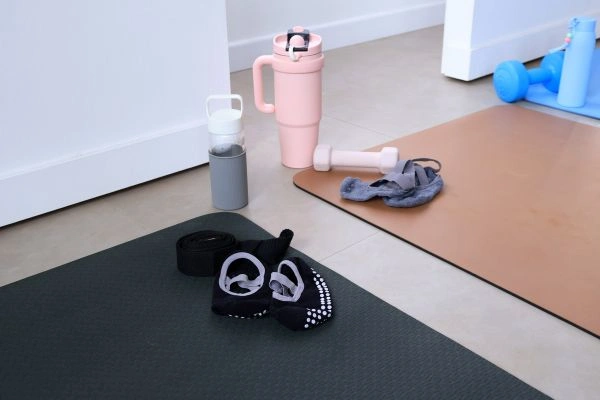
More people are choosing to create at-home fitness setups because they save time and money while still delivering noticeable results. When the right pieces are chosen, you can build strength, improve posture, boost flexibility, and develop better body awareness right in your living room. Home pilates also allows for personalization. You can tailor sessions to your energy level that day, focus on areas that matter most, and schedule workouts when it feels best for your lifestyle.
How To Choose The Best Equipment For Your Space
Before diving into specific tools, it helps to think about your priorities:
Your Fitness Goals
Do you want strength, flexibility, core focus, full body movement, or all of these? Home pilates equipment can support all of these goals, but knowing the focus helps narrow choices.
Your Space
Small living rooms or apartments need portable or foldable gear, while larger spaces can fit bulkier equipment. Think about where you will practice frequently and measure that space to ensure the equipment fits comfortably.
Your Budget
From very affordable resistance bands and rings to premium reformers, there is a wide range of pricing. Parts of your budget may go toward accessories first, with larger investments made later as your practice grows.
Your Experience Level
Beginners may want simple accessories first, while experienced users might jump into more advanced machines. Starting with the basics helps you learn fundamental movements safely before adding complexity.
Considering these factors will help you build a setup that works well for your lifestyle, physical space, and long-term goals.
Home Pilates Equipment For Beginners: What To Start With
For those just starting, simplicity matters. You don’t need a huge collection to begin seeing benefits. Some basic pieces get you moving effectively and safely.
1. Pilates Mat Or Thick Exercise Mat
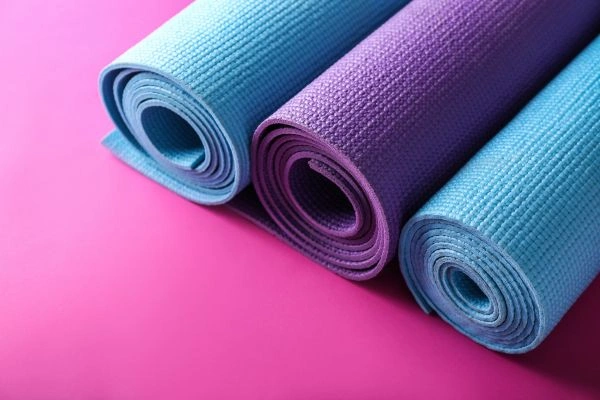
A good mat is one of the most essential pieces of equipment for pilates. A high‑quality mat provides cushioning for your joints and stability for your core work. Mats that are thicker (10mm or more) are often recommended because pilates includes a lot of floor‑based movements. Thicker mats help protect your spine, knees, and elbows when practicing exercises on hard floors.
Tips For Beginners
- Look for non‑slip surfaces that help maintain balance.
- A mat with antimicrobial properties can help with hygiene, especially if you use it regularly.
- Choose a size that fits your intended space and allows you to stretch fully without going off the edge.
A mat is a foundational tool that makes home pilates workouts more comfortable and accessible for people of all fitness levels.
2. Resistance Bands And Loop Bands
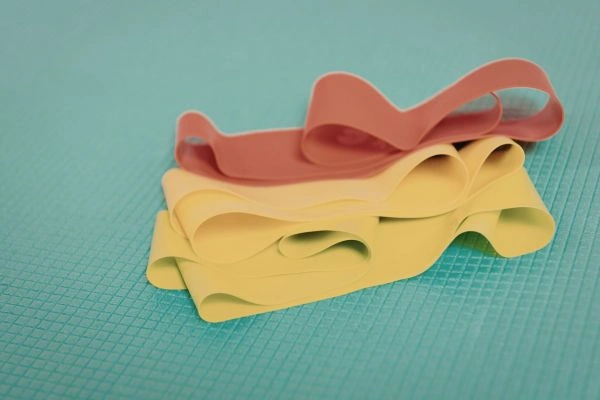
Resistance bands are inexpensive yet highly effective tools for pilates at home. These bands help you engage muscles through controlled tension, making movements both challenging and safe.
Why They Matter
- They add controlled tension that challenges muscles gently.
- Bands are lightweight and portable, so you can store them easily or take them on the go.
- They can be used for upper body, lower body, and core work.
Good Starter Picks
- Light resistance for beginners helps you learn form before adding challenge.
- Fabric loop bands are comfortable and easy to grip.
- Bands with handles offer extra support where necessary, such as for arm or shoulder work.
Resistance bands are often some of the first pieces recommended for building a balanced home pilates routine.
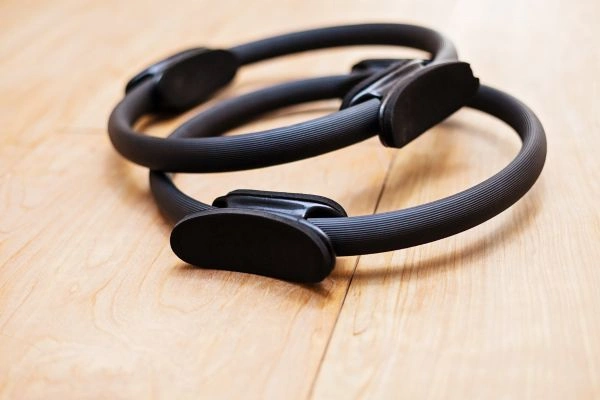
3. Pilates Ring Or Magic Circle
A pilates ring is inexpensive and flexible for many moves that target thighs, arms, and core. Editors reviewing at‑home pilates tools in lifestyle magazines consistently feature pilates rings as useful accessories that are both compact and effective.
Benefits
- Adds resistance without heavy weights.
- Easy to store and portable for travel.
- Helpful for beginners to feel muscle engagement more clearly.
This tool enhances classic pilates exercises and helps improve strength in areas that are often hard to target without extra resistance.
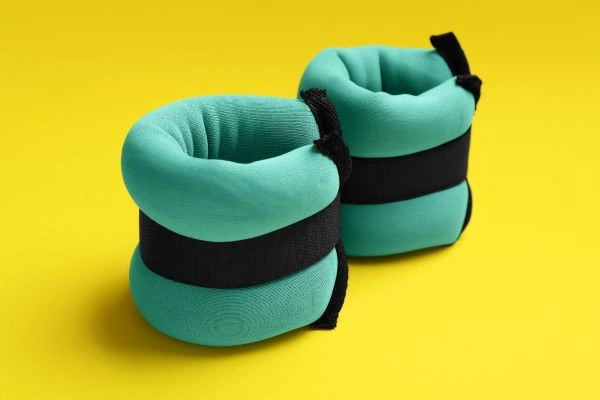
4. Small Hand Weights And Ankle Weights
Hand weights, especially light pairs, can help add challenge to classic pilates moves like leg lifts and arm series. Adjustable ankle weights are also praised for increasing intensity during floor‑based sessions and boosting muscle activation.
Notes For Beginners
- Begin with lighter weights and prioritize maintaining proper form.
- Adjustable weights are a smart choice because resistance can grow with you.
Weights allow you to increase challenge gradually and support the development of muscular strength over time.
What To Consider Before Buying Larger Equipment
As pilates home workouts become more popular, larger machines like reformers are now seen as long‑term investments for fitness fans. These are not necessary for everyone, but many find they deepen their practice and open up new possibilities.
Why People Choose Reformers At Home
Reformers offer a unique pilates experience known for improving strength, posture, and mobility. They mimic the full‑body challenges found in studio classes but in a personal space. Many modern reformers for home use can fold or come with attachments to save space.
It is important to decide if a reformer fits your space, budget, and commitment level before purchasing, since they are usually more expensive and take up more room than basic accessories. A good reformer can provide decades of use, while cheaper versions may feel unstable or limited.
Think about factors like:
- Total footprint when assembled and stored
- Weight capacity and build quality
- Type of resistance system used (springs, cords, or hydraulics)
These help determine whether a reformer is a smart choice for your home pilates setup.
Top Home Pilates Equipment Recommendations
Here are some highly rated tools and machines based on recent expert reviews and frequent recommendations by pilates instructors.
Essential Pilates Boards And Reformers
- MOVOCA Pilates Board 7‑in‑1 System
A versatile board that functions as many pieces of equipment in one. It has a built‑in timer for workouts and a foldable design that makes it ideal for smaller spaces. This style of board helps beginners experience a variety of movements without needing multiple tools.
- Balanced Body Allegro 2 Reformer
A high‑end choice known for a studio‑level feel and durable build. It offers advanced resistance and variety for long‑term practitioners with enough room for full‑body work.
- AeroPilates Compact Reformer
A budget‑friendly reformer with a foldable design, perfect for beginners or smaller rooms. It provides an entry point to reformer exercises without a big upfront investment.
- GOIMU Pilates Reformer Machine
A machine with adjustable height and dual resistance for varied workouts. Great for those wanting versatility and a machine that grows with their practice. Some users find adjustable resistance helpful for progressing through levels.
Choosing A Board Or Reformer
- Look at foldable or compact options if space is limited.
- Consider build quality, weight capacity, and the type of resistance system.
- Think about long‑term goals: beginner mat work vs advanced reformer routines.
A more thoughtful selection ensures the investment will be used regularly and support long‑term fitness goals.
Accessories That Make A Difference
Adding supportive accessories can improve comfort and safety while enhancing workout quality.
Comfort Enhancers
- Yoga and Pilates Blocks: Help with alignment and support in various positions.
- Stretch Straps: Great for gentle stretching and increased reach.
- Foam Rollers: Useful for muscle recovery and soft tissue work post‑session.
Tracking And Motivation Tools
- Many pilates platforms and apps now offer guided classes that sync with equipment like boards or reformers.
- Tracking repetition, time, and progress helps keep workouts consistent.
- Community features in apps can boost motivation and help stay accountable.
Wearing a simple fitness tracker or using an app can help maintain momentum by setting reminders and tracking progress visually.
Avoiding Common Mistakes When Starting At Home
Getting started is exciting, but it’s also easy to make mistakes that slow progress or raise injury risk.
Don’t Rush To Buy The Most Expensive Gear
Just because something looks fancy does not mean it fits your needs. Entry‑level accessories can be more effective than big machines you never use. Start with the basics and add as your skills grow.
Focus On Technique First
Pilates is about controlled movement and breathing. Beginning with basic mat work and mastering form before adding heavier equipment will pay off. Poor form can lead to strains or injuries, especially when adding resistance or machines.
Be Careful With Cheap Machines
Many inexpensive boards and gadgets look appealing online but lack stability or proper resistance systems. Poorly built machines may not support safe movement patterns and can detract from progress.
Taking time to read trusted reviews and choose quality options helps protect your body and improve your experience.
Setting Up Your Space For Success
Here are simple tips to make your home pilates practice inviting and easy:
Choose a Calm, Uncluttered Space
A clear area helps you focus on movement without distractions. Remove furniture or items that may interfere with your range of motion.
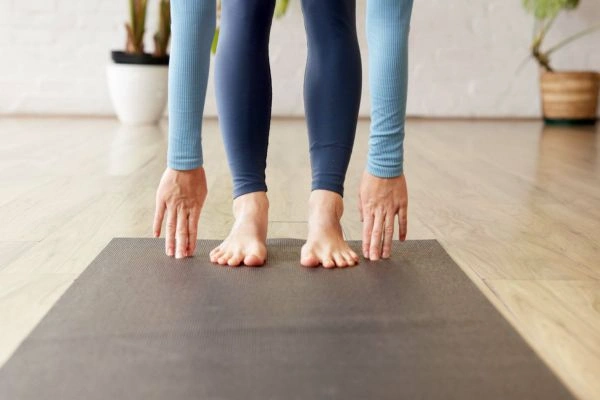
Lay Down Your Mat First
This defines your workout area and provides necessary cushioning. Place your mat where there is enough room to stretch in all directions.
Store Equipment Neatly
Use baskets or bins so bands, rings, and weights are easy to reach when needed.
Use Good Lighting
A bright room can boost mood and motivation, making it easier to stick with your routine.
Some people even add subtle touches like calming wall art, plants, or a Bluetooth speaker for music to make their pilates area feel welcoming and peaceful.
How To Progress Over Time
Once you feel comfortable with basic equipment and routines, here are ways to keep improving:
- Add different resistance levels as strength improves.
- Explore reformer or board machines for dynamic resistance training.
- Mix mat work with guided classes online or through apps.
- Try partner workouts if you have space and someone to join.
With patience and consistency, your home pilates setup can grow with your practice. You don’t need costly gym memberships or studio classes to keep advancing. Regular progress checks, setting goals, and varying routines help maintain enthusiasm and ensure steady gains.
Safety Tips For Home Pilates
Safety is essential for a fulfilling pilates practice:
- Warm Up Properly: Start each session with gentle warm‑ups to prepare muscles.
- Check Equipment Regularly: Ensure resistance bands are not worn out, and machines are stable before use.
- Know Your Limits: Listen to your body and avoid pushing into pain.
- Quality Over Quantity: Focusing on proper movements beats doing more repetitions with poor form.
If unsure about a movement, seeking guidance from a certified instructor or trusted online tutorials can help prevent injuries.
Transform Your Routine With Home Pilates Equipment
The world of home pilates equipment has expanded significantly in recent years. You can start with humble tools like mats, bands, rings, and weights, and later decide if a board or reformer suits your space and aspirations. The key is to prioritize safety, quality, and consistent practice.
No matter your experience level, there is a way to bring pilates into your everyday life thoughtfully and enjoyably. With the right equipment and approach, your home practice can be empowering, transformative, and deeply rewarding.
Let this guide help you build a collection that feels right for your goals, lifestyle, and space while you enjoy the many benefits of home pilates. Whether you are just starting or deepening your practice, investing in the right tools and habits will help you feel stronger, more confident, and more connected to your body day by day.